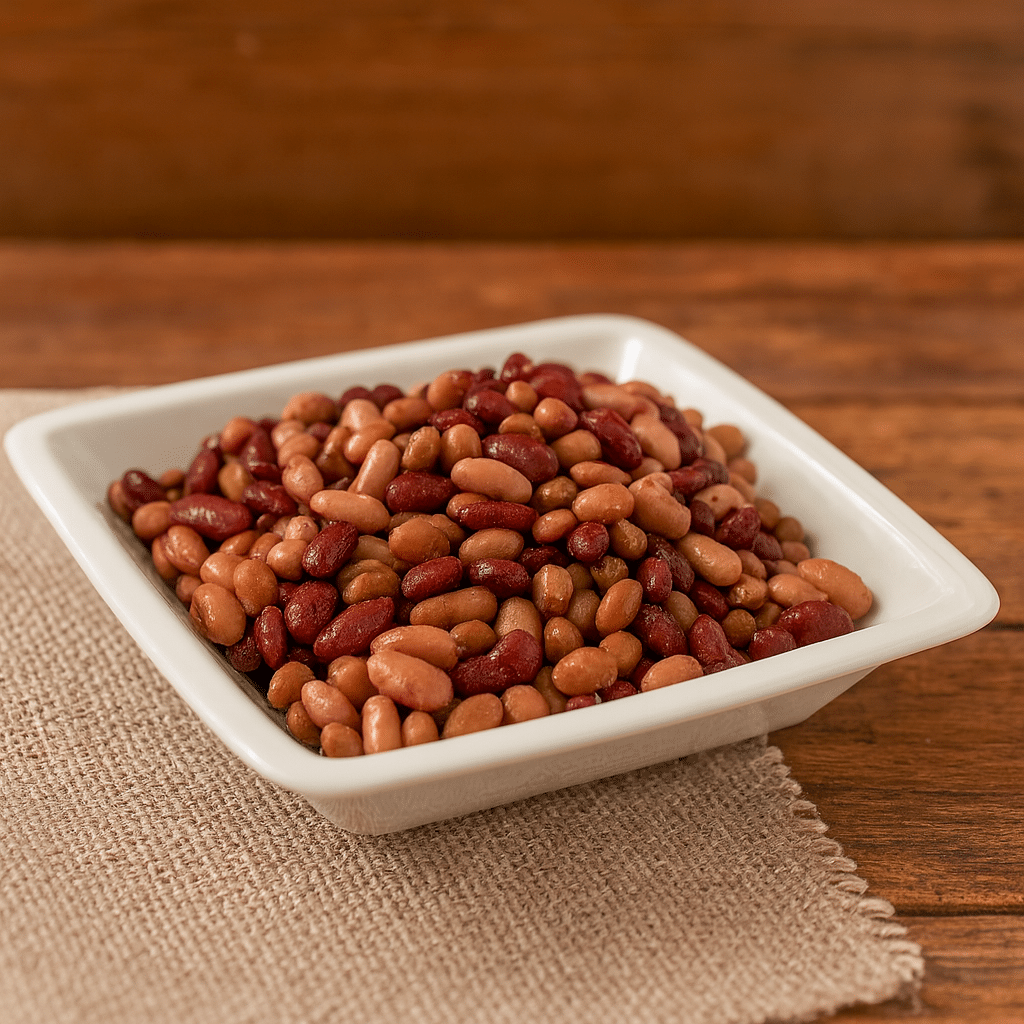
In the heart of Tuscia, a land rich in agricultural traditions and authentic passions, legumes are a true treasure. Among these, borlotti and cannellini beans hold a special place, not only for their unique flavor but also for their deep connection to local farming culture. Understanding the differences between borlotti and cannellini beans means entering a world of history, flavors, and ancient traditions that still enrich our tables today. In this article, I'd like to guide you through the discovery of these two key players in local cuisine, sharing their origins, characteristics, storage tips, and typical uses, so you can make the most of every bean.
Borlotti and Cannellini Beans: Origins and Characteristics Compared
Borlotti beans, often also called "red beans" due to their typical mottled color, have ancient roots in Italian and South American agricultural traditions. In Tuscia in particular, borlotti beans are grown using traditional methods that enhance their quality and authenticity. The plant is robust and vigorous, and its pods, once ripe, have seeds with a variegated surface reminiscent of wood grain, hence the name "borlotto" (bean). This bean is prized for its rich, slightly sweet flavor, ideal for rustic soups and hot dishes that reflect their native land.
Cannellini beans, on the other hand, have a more delicate and uniform appearance: small white beans with an elongated, smooth shape, also known as "Spanish white beans" or "Sorana beans" in some areas of Italy. Their origins can be traced back to the Mediterranean basin, but it is in Tuscany and Lazio that they find optimal conditions for extraordinary growth. Unlike borlotto beans, cannellino beans have a more delicate and buttery flavor, perfect for light preparations such as summer salads or creamy soups, an expression of the simple yet flavor-rich cuisine of our tradition.
Nutritionally, both beans are excellent sources of plant-based protein, fiber, vitamins, and minerals, but borlotti beans tend to have a slightly higher iron and antioxidant content due to the pigmentation of their skins. Cannellini beans, on the other hand, are often preferred for their digestibility and versatility, as well as their ability to adapt to a wide range of preparations without overpowering other flavors. In any case, choosing borlotti or cannellini beans means bringing to the table a seasonal, authentic product with a history rooted in the patient work of the farmers of Tuscia.
How to recognize, store, and use borlotti and cannellini beans
Recognizing borlotti and cannellini beans is easy if you carefully observe their shape and color. Borlotti beans are distinguished by their red, brown, and beige mottled skin, with irregular spots that appear hand-painted, while cannellini beans are uniformly white, shiny, and slightly oval. When purchasing them, especially if dried, it's important that the beans are intact, free of moisture or mold, signs that can compromise their preservation and quality. At the local market in Tuscia, it's easy to find fresh, just-picked borlotti and cannellini beans, a true delight for those who love authentic flavors.
Storing these dried legumes is equally important to preserve their properties. It is recommended to keep them in airtight containers, away from light and moisture, in a cool, dry place. This way, the beans can last up to a year without losing their characteristic flavor. When purchasing fresh or podded beans, however, it is best to consume them within a few days, or cook them and store them in the refrigerator for a few days, or freeze them to extend their shelf life. In keeping with seasonality, fresh borlotto beans are typical of autumn, while cannellini beans are at their best in summer, accompanying light, refreshing dishes.
The culinary uses of borlotti and cannellini beans are varied and reflect the gastronomic richness of Tuscia. Borlotti beans are perfect for rustic soups like "pasta e fagioli," a traditional dish that over time has reflected the hard work and conviviality of farming families. Cannellini beans, on the other hand, are ideal for cold salads with seasonal vegetables, velvety cream soups paired with croutons, and to accompany white meats or fish in balanced and delicate dishes. The secret to enhancing the flavor of both lies in slow cooking and respect for the ingredients, a ritual that well represents the love for the land and seasonality that distinguishes the cuisine of Tuscia.
Borlotti and cannellini beans are more than just legumes, they are living stories of our land, guardians of traditions and flavors that deserve to be known and appreciated. Learning to distinguish them, store them properly, and use them creatively in the kitchen is a way to honor the richness of Tuscia and keep alive the connection with rural culture. Whether you're a fan of family recipes or a curious explorer of locally sourced flavors, these beans offer you an authentic journey through history, nature, and flavor, an invitation to rediscover the simplicity and wholesomeness of good things from times gone by.